
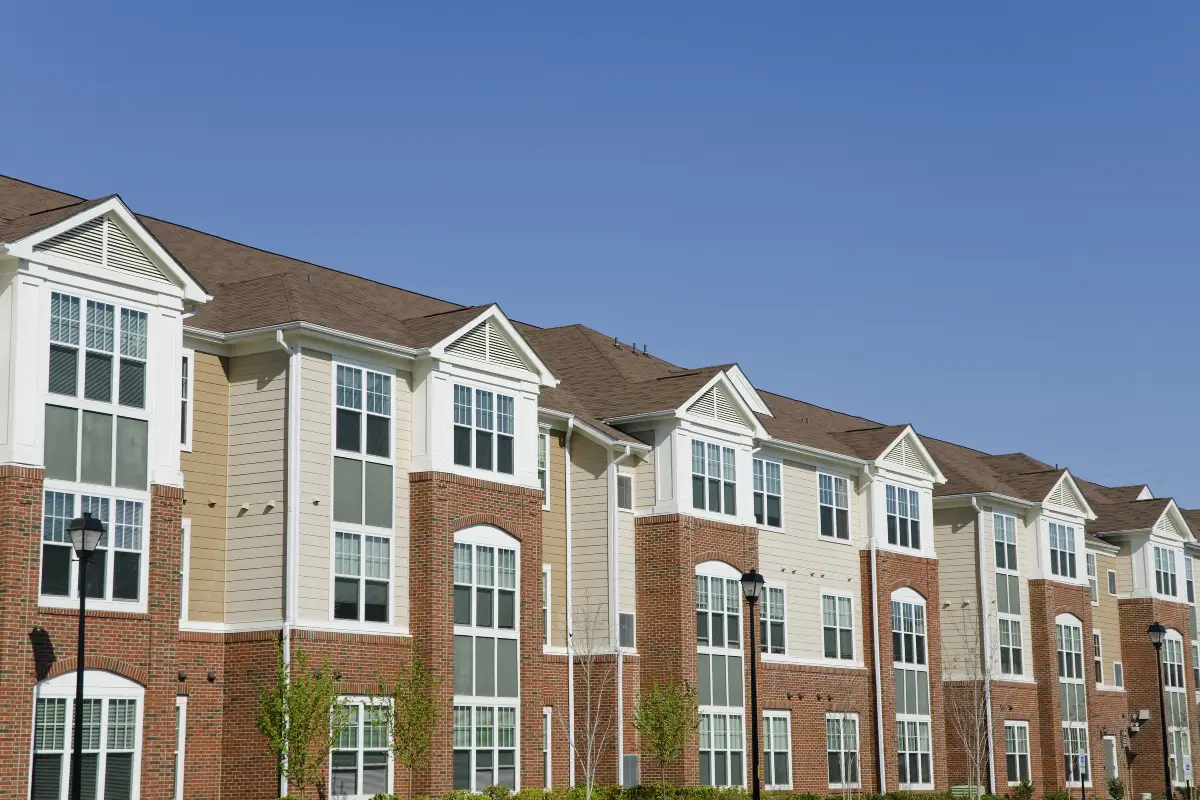
HOA rules help residential communities maintain property standards, support shared expectations, and create long-term neighborhood stability. Still, many Summit County homeowners become frustrated when enforcement feels too rigid or disconnected from real-world situations. Residents may understand the purpose behind the rules, yet still feel discouraged when every violation receives the same response regardless of timing or circumstances.
Mountain communities face additional operational pressures tied to seasonal occupancy, weather-related maintenance delays, and changing homeowner schedules. Through local HOA management services, many associations are recognizing that strong communication often determines whether enforcement creates cooperation or conflict.
That balance matters because homeowner satisfaction frequently depends on how residents experience everyday interactions with the association. Research from the Foundation for Community Association Research found that 86% of residents in community associations describe their overall experience as positive or neutral. Communities maintaining that level of satisfaction usually combine organized enforcement with transparency and practical decision-making.
Residential HOAs that communicate clearly while applying policies thoughtfully often reduce long-term disputes and maintain stronger homeowner relationships.
Key Takeaways
- Consistent HOA enforcement supports stability across Summit County communities.
- Poor communication often escalates routine violations into larger disputes.
- Flexible decision-making can improve homeowner cooperation significantly.
- Residents respond better when enforcement processes feel transparent and practical.
- Organized HOA systems reduce confusion and support long-term community trust.
Consistency Helps Communities Operate More Smoothly
Residents expect HOA policies to apply fairly across the neighborhood. Consistent enforcement creates predictable expectations and helps reduce concerns about favoritism or inconsistent treatment.
Many Summit County communities reviewing board continuity systems discover that organized operational planning helps maintain stable enforcement procedures during leadership transitions and policy updates.
Predictable Processes Shape Homeowner Expectations
Once residents become familiar with HOA operations, they begin paying closer attention to how notices, violations, and exceptions are handled. Even minor inconsistencies can create frustration among homeowners expecting equal treatment throughout the community.
That increased scrutiny often becomes more noticeable in neighborhoods where communication already feels limited or unclear.
Excessive Oversight Can Shift Community Dynamics
Communities function best when residents feel comfortable communicating concerns openly. Over-enforcement may gradually create tension that discourages homeowner participation and weakens neighborhood relationships.
Instead of encouraging cooperation, some residents begin avoiding conversations with the HOA altogether.
Real-Life Circumstances Require Practical Flexibility
HOA policies provide structure, but residential communities still deal with emergencies, financial hardship, weather-related delays, and scheduling conflicts. Applying every rule identically without considering circumstances may increase conflict rather than improve compliance.
Summit County associations often experience smoother outcomes when boards evaluate situations carefully while maintaining organized communication and documentation.
Financial Pressure Often Complicates Compliance
Late dues and unresolved balances frequently create difficult conversations between homeowners and association leadership. Immediate penalties sometimes increase resistance instead of encouraging productive solutions.
Communities reviewing reliable HOA payment strategies often find that early outreach and structured payment discussions improve long-term compliance more effectively than aggressive enforcement alone.
Resident Disputes Can Escalate Quickly
Disagreements between neighbors sometimes become more difficult once formal notices are involved. Homeowners may interpret routine HOA communication personally when existing frustrations already affect neighborhood interactions.
Associations maintaining organized communication procedures and consistent follow-up often reduce prolonged disputes significantly.
Communication Often Determines Resident Cooperation
Many HOA conflicts begin because homeowners do not fully understand why they received a notice or what steps are required to resolve the issue. Even reasonable policies may feel unfair when communication lacks clarity.
Communities strengthening resident grievance procedures often notice immediate improvements in homeowner cooperation and overall communication quality.
Clear Notices Reduce Confusion
Residents should understand:
- Which rule applies to the situation
- What correction is required
- When the deadline must be met
- Who they can contact with questions
Detailed communication helps homeowners respond more quickly before smaller concerns develop into larger disputes.
Tone and Timing Influence Reactions
The wording and timing of a notice can strongly affect how residents respond. Abrupt communication often creates defensiveness before homeowners fully understand the issue.
Associations communicating respectfully and professionally usually experience fewer repeated violations and stronger resident participation overall.
Over-Enforcement Can Reduce Voluntary Compliance
Residents are more likely to follow HOA standards when they believe enforcement feels balanced and practical. Excessive notices and penalties may eventually create resistance instead of encouraging cooperation.
Some homeowners begin challenging every notice because they feel the process no longer reflects fairness or reasonable judgment.
Warning Signs That Frustration Is Growing
HOA boards should monitor patterns suggesting that enforcement and communication strategies may need improvement:
- Delayed responses to notices
- Increased complaints during meetings
- More disputes involving small issues
- Missed application deadlines
- Lower homeowner participation
Communities revisiting underused HOA resources often uncover communication gaps contributing to recurring homeowner frustration and neighborhood tension.
Administrative Workloads Continue Increasing
HOA managers frequently handle multiple enforcement situations simultaneously. Industry reporting shows that some associations manage as many as 42 active violation cases at one time, creating significant administrative pressure for boards and management teams.
Under those conditions, communication may become too standardized. Residents receiving generic notices often assume the HOA is uninterested in understanding individual circumstances or practical solutions.
Organized Operations Help Communities Maintain Stability
Flexibility does not mean abandoning policies or allowing inconsistent enforcement. Effective HOA leadership combines structure with thoughtful decision-making while maintaining transparent communication and organized records.
Residential associations in Summit County often improve compliance when enforcement focuses on practical solutions instead of punishment alone.
Documentation Supports Fair Decision-Making
Boards should maintain written records whenever exceptions or temporary accommodations are approved. Organized documentation protects the association while helping future board members understand prior decisions clearly.
Transparent records also reduce accusations of favoritism because homeowners can see that decisions follow structured procedures.
Preventive Systems Reduce Larger Disputes
Associations investing in organized operational support often prevent conflicts before they escalate into formal complaints. Communities using seasonal property monitoring frequently improve communication consistency while identifying concerns earlier in the process.
Project coordination also supports smoother community operations. Through organized property project support, many residential communities strengthen communication between inspections, maintenance planning, and enforcement procedures.
FAQs about HOA Rule Enforcement in Summit County, CO
What causes homeowners to become frustrated with repeated HOA reminders?
Residents often become frustrated when notices feel repetitive or disconnected from practical circumstances. Homeowners usually respond more positively when communication explains the issue clearly and outlines realistic steps for resolving the concern quickly.
How can Summit County HOAs improve communication during enforcement situations?
Associations improve communication by responding promptly, maintaining organized records, and explaining policies clearly. Respectful follow-up procedures also help homeowners understand expectations while reducing unnecessary confusion during difficult enforcement-related conversations.
Should HOA boards communicate informally before sending official notices?
Early conversations often prevent smaller concerns from becoming formal disputes. Informal reminders give homeowners opportunities to address issues voluntarily before penalties or official notices create unnecessary frustration within the residential community.
Why do residents sometimes challenge HOA decisions more frequently over time?
Residents commonly challenge decisions when communication feels inconsistent or lacks transparency. Delayed responses, unclear expectations, and generic notices may gradually weaken homeowner trust in the association’s enforcement process and overall leadership approach.
How do proactive inspections support stronger HOA operations overall?
Routine inspections help associations identify concerns before they become larger disputes or repeated violations. Early communication also gives homeowners opportunities to correct issues voluntarily while supporting more organized and consistent neighborhood standards overall.
Consistent HOA Communication Keeps Summit County Communities Running More Smoothly
Clear expectations and organized communication often make the difference between routine compliance and ongoing homeowner frustration. When boards approach enforcement with structure, transparency, and practical judgment, residents are more likely to stay engaged and cooperative throughout the process.
PMI Summit Colorado supports residential associations across Summit County with compliance coordination, operational guidance, and homeowner communication strategies designed for long-term community stability. If your HOA needs a more reliable system for inspections and enforcement procedures, encourage steadier community standards with support that helps reduce recurring disputes and improve day-to-day neighborhood operations.